The Dutch energy label (energielabel) shows how energy efficient a home is, on a scale from A++++ to G. You need it when you sell or let, and it affects value and, for rented homes, the maximum rent. Insulation is usually the biggest step towards a better label. But an assessor can only count what they can see or what you can prove. This guide explains how the label is set, which measures make the biggest difference, what paperwork to keep and what changed this year.
- An energy label is set by a certified assessor (EP-adviseur) who visits the home, and registered in RVO's EP-online database.
- If proof of insulation is missing, the assessor uses a cautious default based on the year of construction.
- Keep invoices, photos, drawings and packaging showing the Rd value of all insulation.
- A label is valid for 10 years; after some improvements a new label can be issued without a new visit.
- Since 29 May 2026 a label is also required after a major renovation and when a rental contract is extended or renewed.
How the energy label is set
According to RVO, the Netherlands Enterprise Agency, an energy assessor sets the label. The assessor visits the home and records technical details on insulation, heating and ventilation. Software then calculates the label, assuming an average household and the Dutch climate. RVO says the visit takes about one and a half to two hours and the owner must be present.
The assessor registers the label in EP-online, RVO's national database, and that registered label is the one that counts. You find an assessor through the Centraal Register Techniek. The government's English page on energy performance certificates gives background.
The label is about the home itself. How much you heat and which appliances you use are not included. That is why the label can differ from your energy bill.
What you need to be able to prove
An assessor cannot see through a wall. Insulation behind plasterboard, under a floor or in a roof is invisible. RVO puts it this way: the more evidence the owner provides, the better. Without documents, the assessor has to assume a cautious default based on the year the house was built. That can give a worse label than your home deserves.
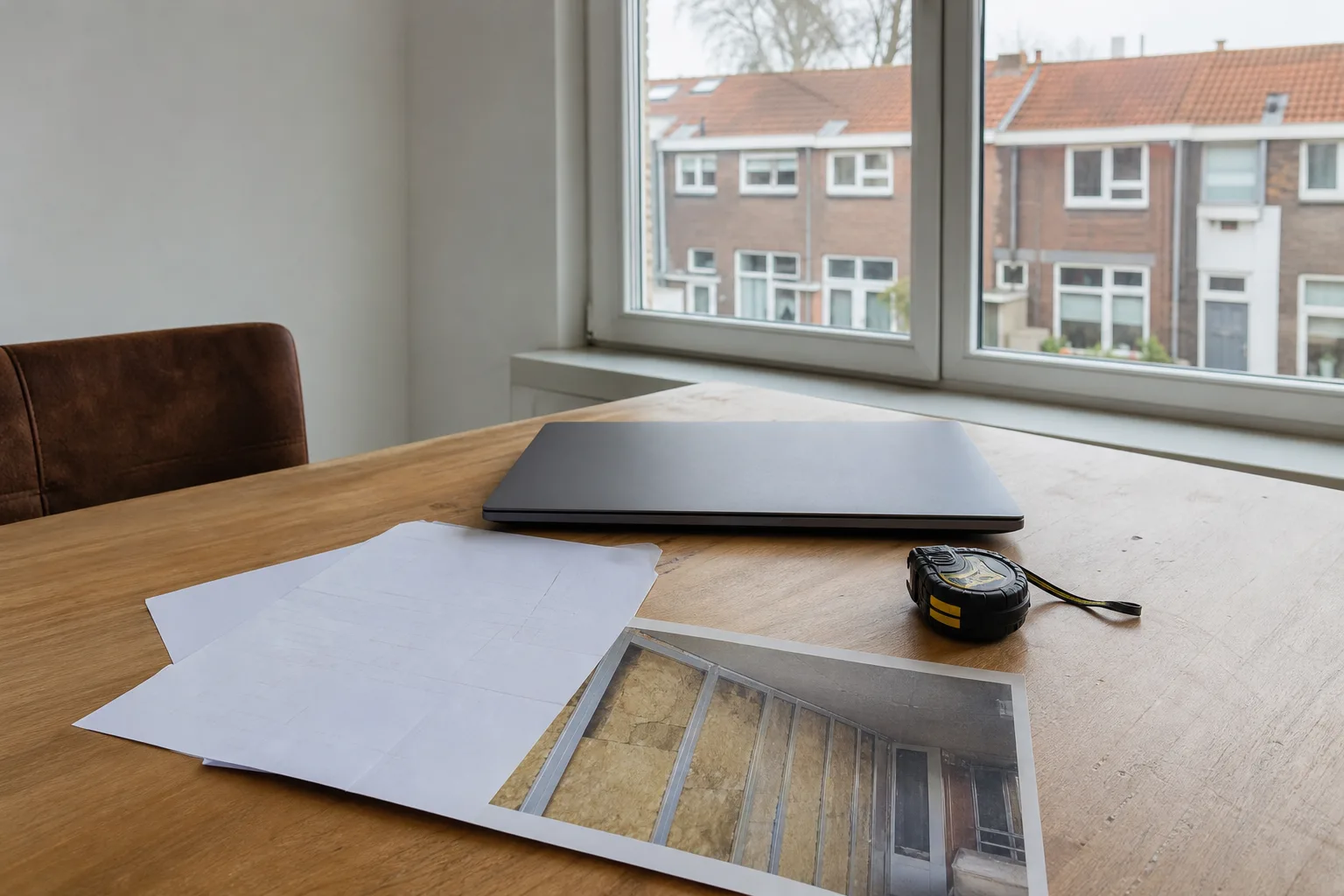
So if you had a stud wall built in a 1930s home but have no paperwork at all, you may get a label as if the wall were still bare.
- Invoices showing material, thickness, Rd value and m².
- Photos of the insulation before it was covered.
- Building drawings showing insulation thickness.
- Packaging or product sheets showing the Rd value.
- Documents for the boiler, heat pump or ventilation.
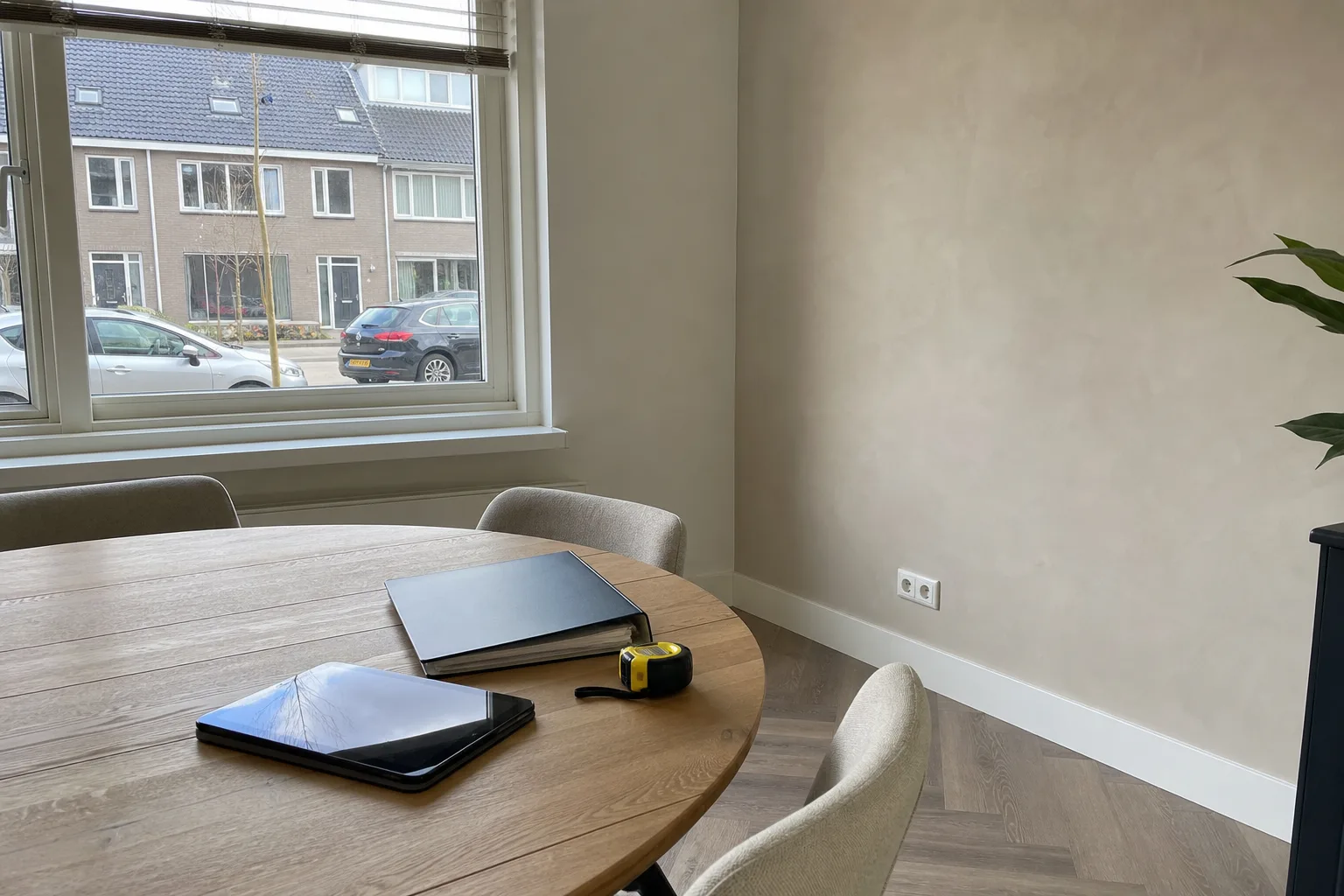
Tip from the trade: Keep one folder, digital or on paper, with every invoice and photo of energy saving work. You will use it for the energy label, for the ISDE grant and later when you sell.
Which insulation makes the most difference
Which measure helps most depends on what is already there. In an older home with no insulation, roof, walls and floor together make the biggest difference. Glazing matters too: replacing single glazing with insulating glass is a clear step for many older homes.
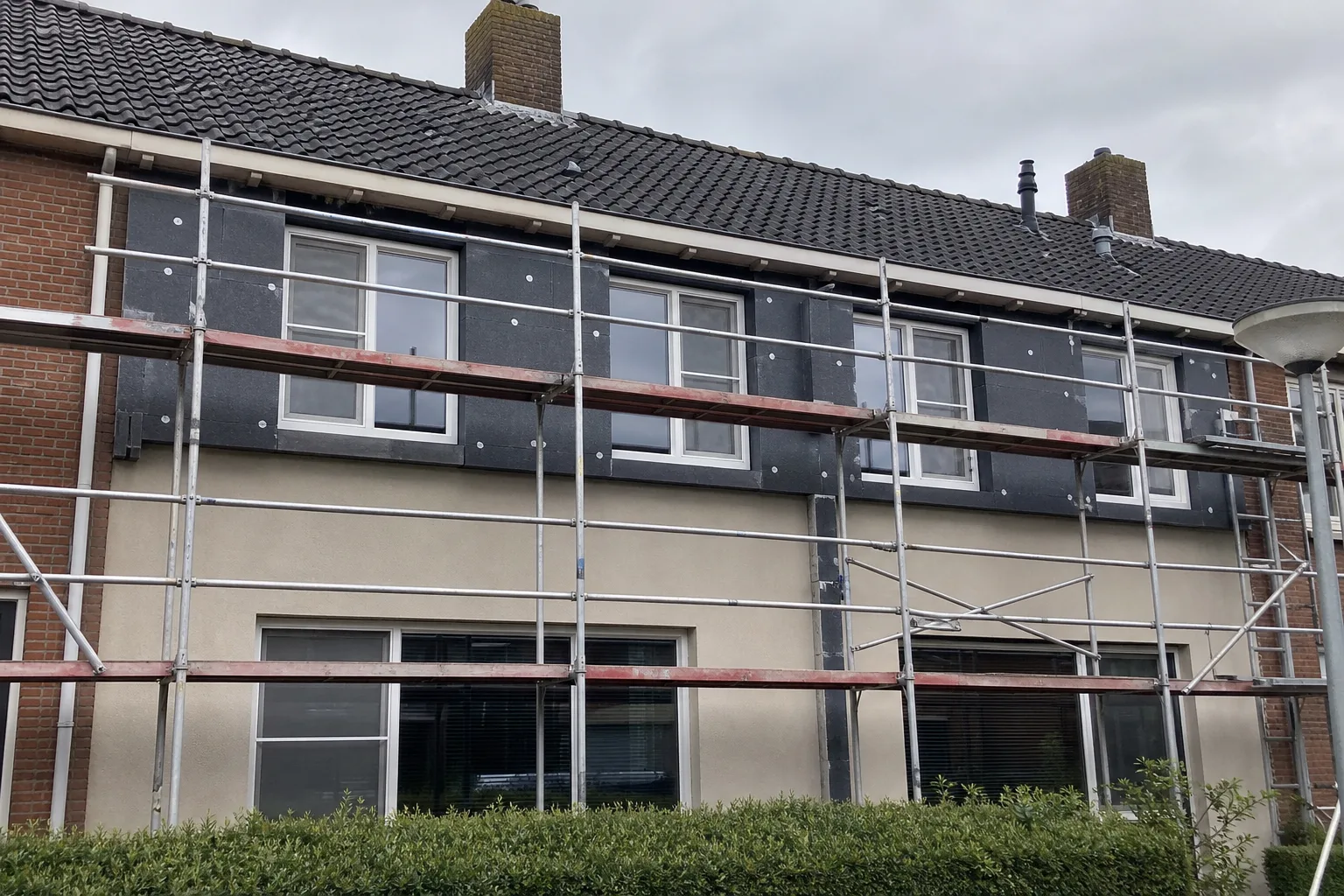
Insulating pays most where there is nothing now. A bare attic or a floor over an open crawl space are often the first candidates. With solid walls, a stud wall or external insulation can follow.
| Part of the home | What the assessor looks at |
|---|---|
| Roof or attic floor | Whether there is insulation and its Rd value |
| External walls | Cavity fill, stud wall or external insulation, and thickness |
| Floor | Insulation under or on the floor, or in the crawl space |
| Glass and frames | Type of glazing per window |
| Installations | Heating, hot water, ventilation, solar panels |
The order: building shell first, then installations
Many people think of a heat pump or solar panels first when they want a better label. Those count, but the order matters. A heat pump works at a low temperature and needs a well insulated home to keep rooms warm. In an uninsulated home it has to work harder and the benefit drops.
So start with the shell of the house: roof, walls, floor and glazing. Then choose the installation, which can often be smaller. Do it the other way round and you may pay for a heavier system than you need once the insulation is in.
Timing counts as well. Insulating is easiest when something is happening anyway: a new floor, a bathroom renovation or new plastering. Then nothing has to be opened up twice.
Snel en kwalitatief hoogstaand werk. 3 kamers opgeleverd in 3 dagen. Gestuukte wanden en plafond. Nu zijn de kamers onherkenbaar. Zulke gladde muren waren hier nooit. Ik adviseer iedereen Parus Construction. Ook de prijzen zullen u verrassen.
Getting a new label after the work
An energy label is valid for 10 years. If you insulate after it was issued, the old label stays in EP-online until you have a new one made. If you want the insulation to show in your label, you order a new label.
According to RVO, after some improvements a new label can be issued without a new home visit. RVO gives the example of replacing single glazing with HR++ glass. Whether that works for your measure is something to discuss with the assessor.
Book the new label after handover, once invoices and photos are complete. A label from before the work does not count the insulation.
What has applied since 29 May 2026
An energy label was already required when a new home is completed and when an existing home is sold or let. According to RVO, from 29 May 2026 a label is also required after a major renovation, where 25 percent or more of the home's volume is involved, and when a rental contract is extended or renewed. Listed buildings also need a label when sold or let from that date.
If a valid label is missing when one is required, the owner can be fined. Enforcement is by the Human Environment and Transport Inspectorate (ILT).
Planning a major renovation? Put the label in the plan from the start. It will be required after handover, and you want the new insulation properly recorded in it.
The label and the rent
For landlords and tenants, the label counts in the points system that sets the maximum rent. According to the Dutch government, a home with label E, F or G gets negative points. A better label after insulating can therefore affect the rent.
If you rent and want the home better insulated, read our guide to insulating a rented home.
Insulating with the label in mind
If you want a better label, plan the insulation so it also counts for the ISDE grant. The conditions, such as an Rd value of at least 3.5 for walls, roof and floor, are in our ISDE grant guide for 2026. The same invoice and photos then serve both the grant and the label.
Stas, the owner, visits, checks which parts of your home are not insulated and you get a free quote per measure with no obligation. The price depends on the area, material and finish. Get in touch.
Frequently asked questions
How long is an energy label valid?
According to RVO, 10 years. The expiry date is on the label. If you sell or let after that date, you need a new label.
Can I update my label myself after insulating?
No. A certified assessor sets and registers the label. You do supply the evidence, such as invoices and photos.
Why is my label worse than I expected?
Often because evidence was missing. Without documents the assessor uses a default based on the year of construction. With invoices and photos a new label can come out better.
Do I need a label if I am not selling or letting?
Not for the current situation. You do on completion of a new build, and since 29 May 2026 after a major renovation of 25 percent or more of the home's volume.
Does my energy bill count towards the label?
No. The label is about the home and assumes average use, not your actual consumption.
Renovation and finishing work from Roelofarendsveen: plastering, bathrooms, microcement, extensions, insulation, floors, electrics and plumbing. One point of contact from quote to completion. Questions? Call or WhatsApp +31 6 87 61 60 78.
Sources
- Energy label for homes (RVO, Dutch)
- Energy performance certificates for homes and buildings (Government.nl, English)
- Effect of the energy label on rent points (Rijksoverheid, Dutch)
Rules change. Always check your own address with the Permit Check (Vergunningcheck) in the Omgevingsloket or with your municipality.