- Changing the layout or appearance of a rented home needs the landlord's written permission, unless you can undo the change at no significant cost when you leave.
- For residential property, the landlord must give permission within eight weeks if the change does not harm lettability or reduce the value.
- If the landlord refuses, you can ask the court for authorisation.
- You can also ask the court to make the landlord insulate, if you accept a reasonable rent increase.
- The ISDE grant is for owner-occupiers, not tenants.
What the law says about changes
The rules are in article 7:215 of the Dutch Civil Code. A tenant may not change the layout or appearance of the rented property without the landlord's written permission. The exception is changes and additions that can be undone and removed at no significant cost when the tenancy ends.
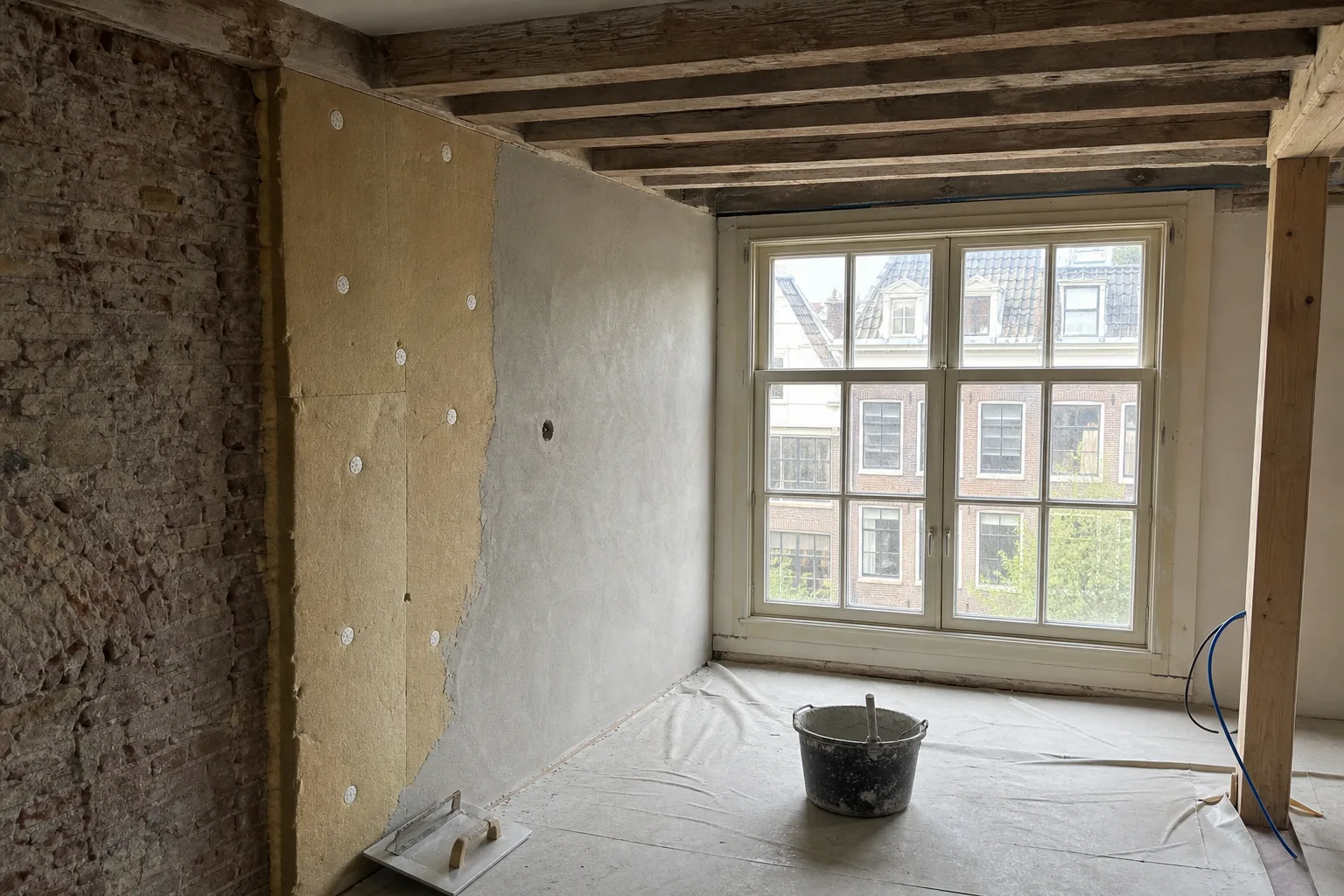
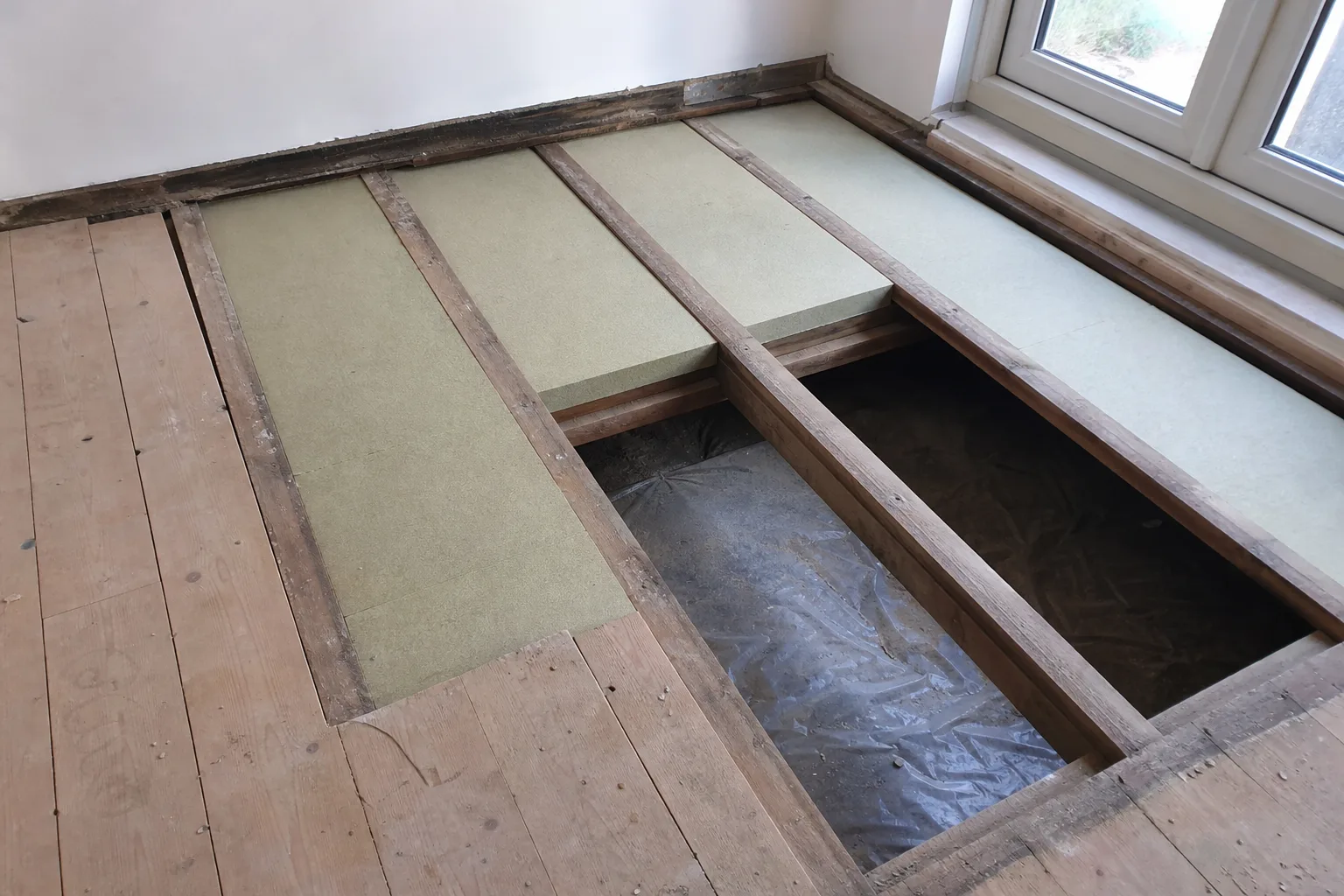
Insulation almost never falls under that exception. You cannot remove a stud wall without cost, let alone insulation in a roof or floor. So assume you need permission.
For residential property the law gives the tenant a strong position. Under paragraph 2, the landlord must give permission within eight weeks if the changes do not harm the lettability of the home and do not reduce its value. Good insulation usually makes a home easier to let, not harder.
How to ask for permission
Ask in writing, by letter or email, and keep a copy. The more specific the request, the easier it is for the landlord to agree. A landlord wants to know what will happen, who will do it and what happens to the insulation when you leave.
A quote or work description from a company helps. It sets out the material, thickness, location and finish. So ask for a quote that describes the work in concrete terms, and attach it to your request.
- Which wall, floor or roof you want to insulate.
- The build-up: material, thickness and finish.
- Who will carry out the work.
- When the work takes place and how long it takes.
- What happens to the insulation at the end of the tenancy.
Tip from the trade: In the same letter, ask the landlord to confirm that you may leave the insulation in place when you move out. That avoids arguments at the end of the tenancy.
If the landlord says no or does not reply
If the landlord refuses, article 7:215 paragraph 3 lets you ask the subdistrict court (kantonrechter) to authorise the change anyway. The court will grant it in any case if the landlord should have given permission under paragraph 2. In other cases the court weighs whether the change improves your living conditions and whether the landlord has serious objections.
The court can attach conditions to the authorisation and, at the landlord's request, raise the rent if the change justifies it.
Do not start work without permission or authorisation. If you alter the home without permission, you risk having to restore it when you leave. If in doubt, get advice first from the Juridisch Loket or a tenants' association. The government's English guide to rented housing is a useful starting point.
Met dit bedrijf werk ik niet voor het eerst samen. Ze hebben voor mij verschillende werkzaamheden uitgevoerd, zoals het vervangen en maken van deuren, het realiseren van een aanbouw en het uitvoeren van binnenrenovaties. De jongens zijn zeer verantwoordelijk, en vooral Stanislav geeft altijd goede adviezen.
Getting the landlord to insulate
Sometimes it makes more sense for the landlord to insulate. According to the Dutch government, a landlord is not obliged to fit insulation or double glazing. You can ask, and the landlord can agree, usually in return for a rent increase.
Article 7:243 of the Civil Code goes further. It says the court can, at the tenant's request, order the landlord to carry out improvements such as thermally insulating the external walls and the floor above the crawl space at the landlord's own cost. The condition is that the tenant is willing to pay a rent increase that is reasonable in relation to the cost.
If you live in a block and the landlord wants to renovate, separate renovation rules apply. The Juridisch Loket explains them.
Where the Rent Tribunal helps
The Huurcommissie does not decide on permission for alterations; that is for the subdistrict court. The Rent Tribunal deals with rent levels and maintenance for social and mid-rent housing. Two points matter for insulation.
First, the energy label counts in the points system that sets the maximum rent. According to the Dutch government, homes with label E, F or G get negative points. A better label after the landlord insulates can therefore affect the rent. Read more in improving your energy label.
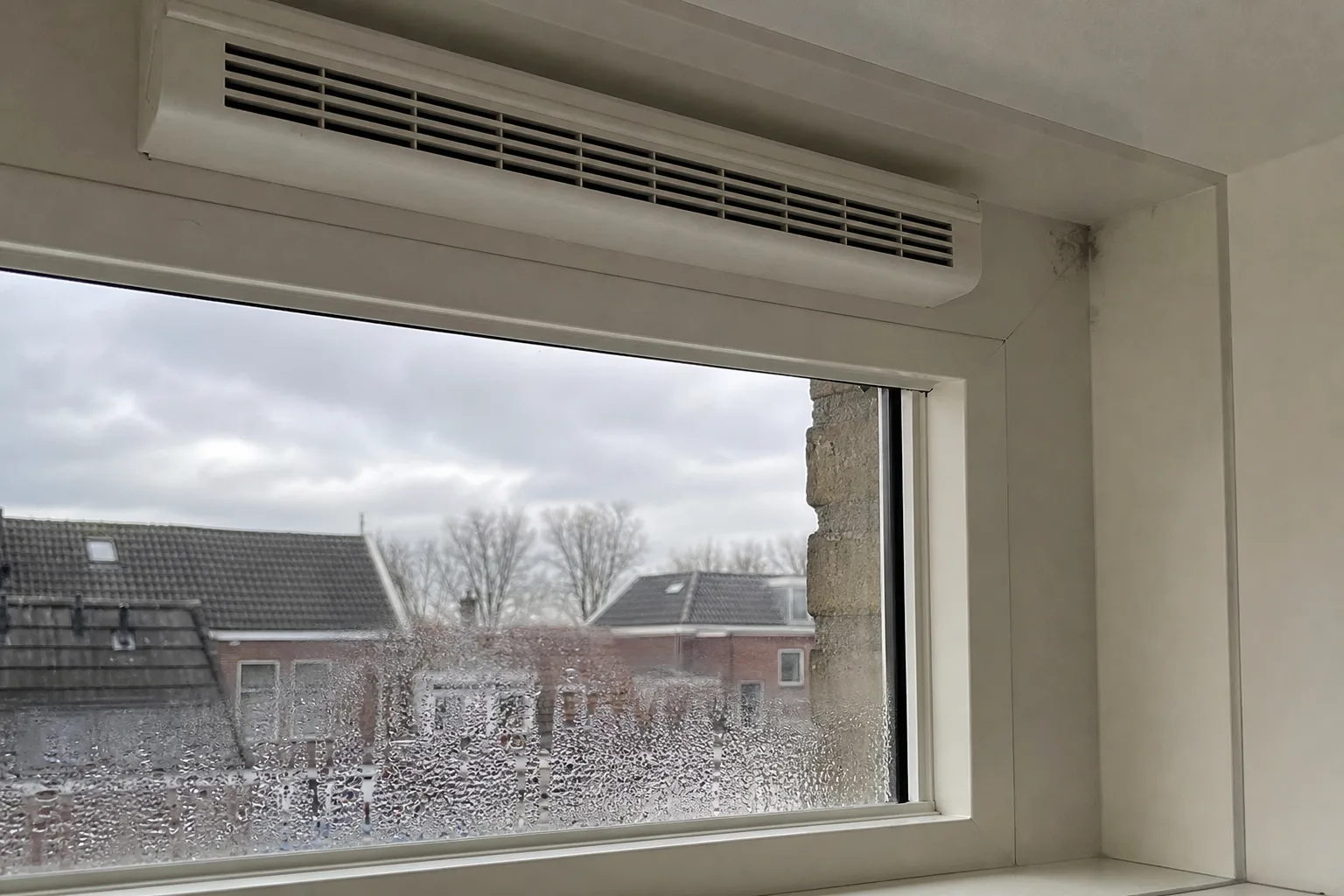
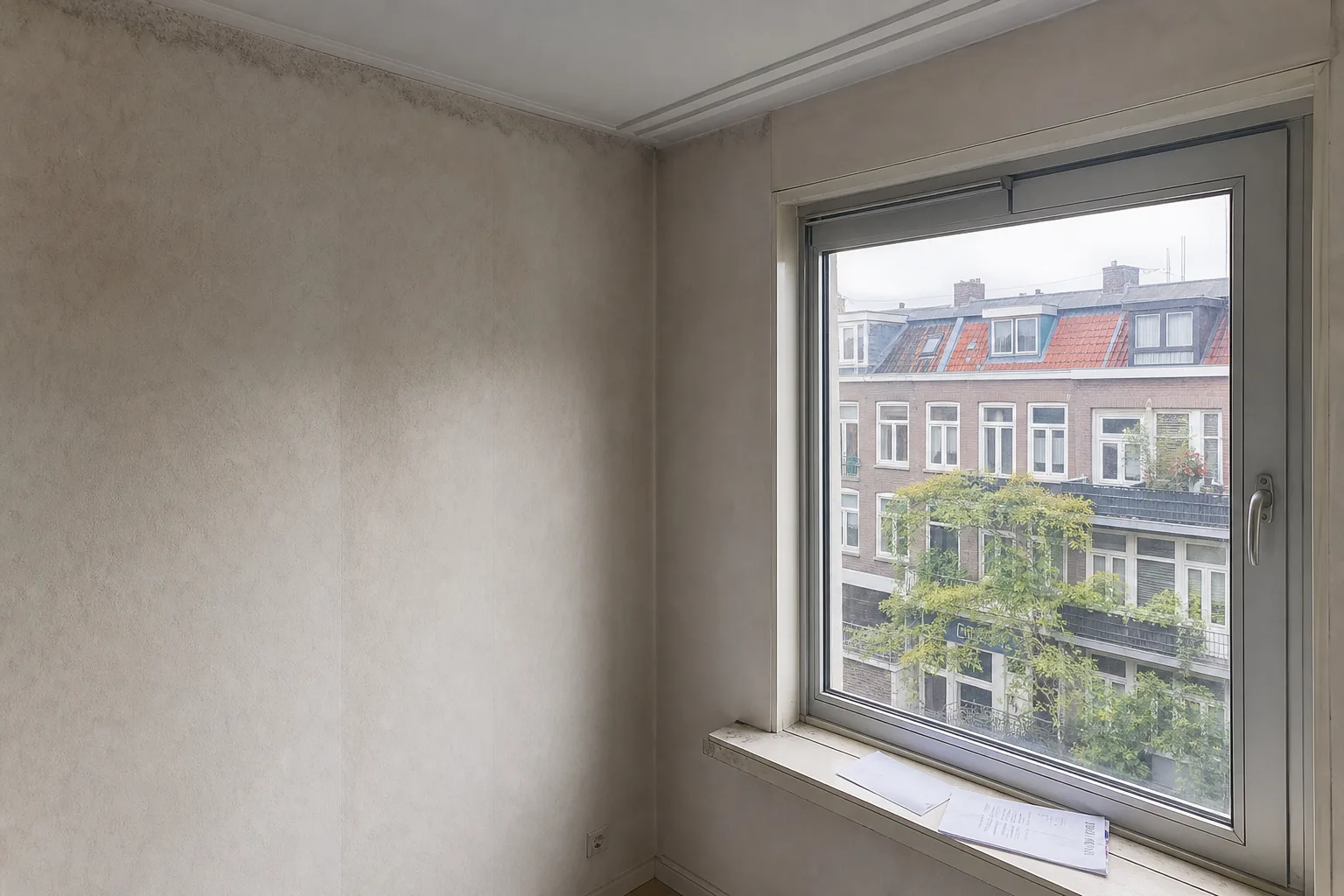
Second, serious damp or mould can be a defect. Report it to the landlord in writing first. If nothing happens, tenants in social and mid-rent housing can go to the Huurcommissie. For the causes of damp, see damp and condensation after insulating.
Who pays and what you get back
If you have the insulation done yourself with permission, you pay for the work. According to RVO, the ISDE grant is meant for owners who live in the home themselves, so tenants cannot apply. Landlords have a separate scheme.
When you leave, article 7:216 says you are not obliged to undo changes that were made with permission. If the insulation stays, you may in some cases claim compensation. Agree this in advance if you can.
If you plan to stay a long time, insulating with permission can be worth it for comfort alone. If your stay is short, asking the landlord is often the better route.
| Route | Who pays | What you need |
|---|---|---|
| You have it insulated | You | Written permission or court authorisation |
| Landlord insulates at your request | Landlord, often with a rent increase | Agreement with the landlord |
| Court orders the landlord | Landlord, with a reasonable rent increase | Ruling by the subdistrict court |
What you can often do yourself
Not every improvement is an alteration. Draught strips, a door closer or radiator reflector foil are small measures you can usually undo at no cost. A proper stud wall, attic insulation or floor insulation does need permission.
Have permission and want to know what is possible? Stas, the owner, visits and looks at the wall, attic or floor. You then receive a detailed quote, free and with no obligation. Get in touch or read more about our insulation work.
Frequently asked questions
Can my landlord simply refuse insulation?
For residential property, the landlord must give permission within eight weeks if the change does not harm lettability or lower the value. If they still refuse, you can ask the subdistrict court for authorisation.
What if the landlord does not reply within eight weeks?
The law says the landlord grants permission within eight weeks if the conditions are met. Silence is not permission. Do not start without written agreement and ask the Juridisch Loket if in doubt.
Will my rent go up if the landlord insulates?
It can. According to the Dutch government, that is usual when the landlord takes energy saving measures at your request. A better energy label can also affect the points calculation.
I rent a flat from a private landlord. Do these rules apply?
Yes. Article 7:215 applies to every residential tenancy, whether the landlord is a housing association, an investor or a private person.
Can a tenant apply for the ISDE grant?
No. The homeowners' ISDE is for owners who live in the home themselves.
Renovation and finishing work from Roelofarendsveen: plastering, bathrooms, microcement, extensions, insulation, floors, electrics and plumbing. One point of contact from quote to completion. Questions? Call or WhatsApp +31 6 87 61 60 78.
Sources
- Dutch Civil Code Book 7, article 215 (wetten.overheid.nl, Dutch)
- Rented housing (Government.nl, English)
- Is the landlord obliged to fit energy saving measures? (Rijksoverheid, Dutch)
- Rented home (Juridisch Loket, Dutch)
Rules change. Always check your own address with the Permit Check (Vergunningcheck) in the Omgevingsloket or with your municipality.