- Work in zones: keep one part of the house liveable while another part is renovated.
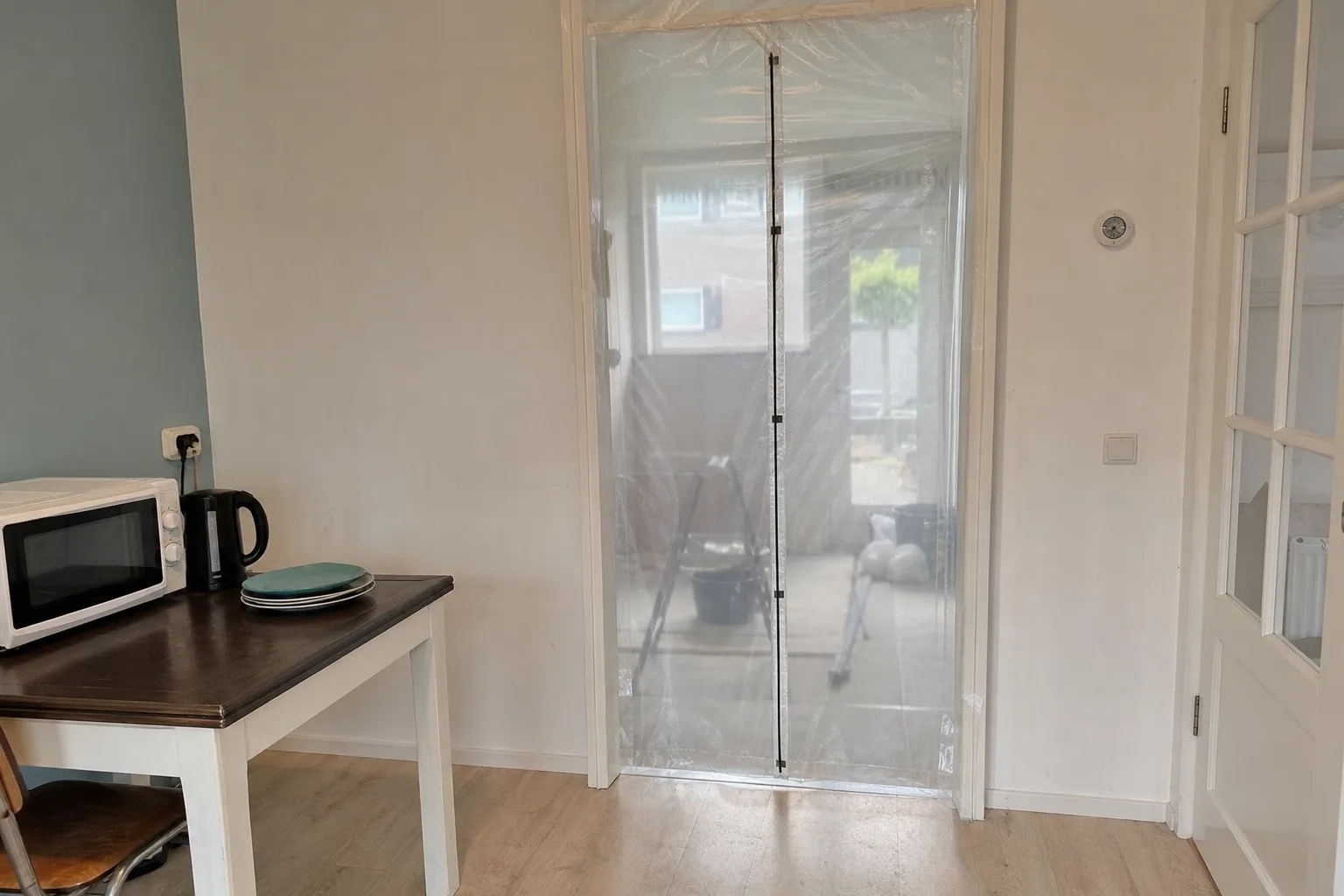
- Dust screens, sealed doors and covered floors keep dust inside the work zone.
- Set up a temporary kitchen in advance and plan the bathroom so you are never without a shower for days.
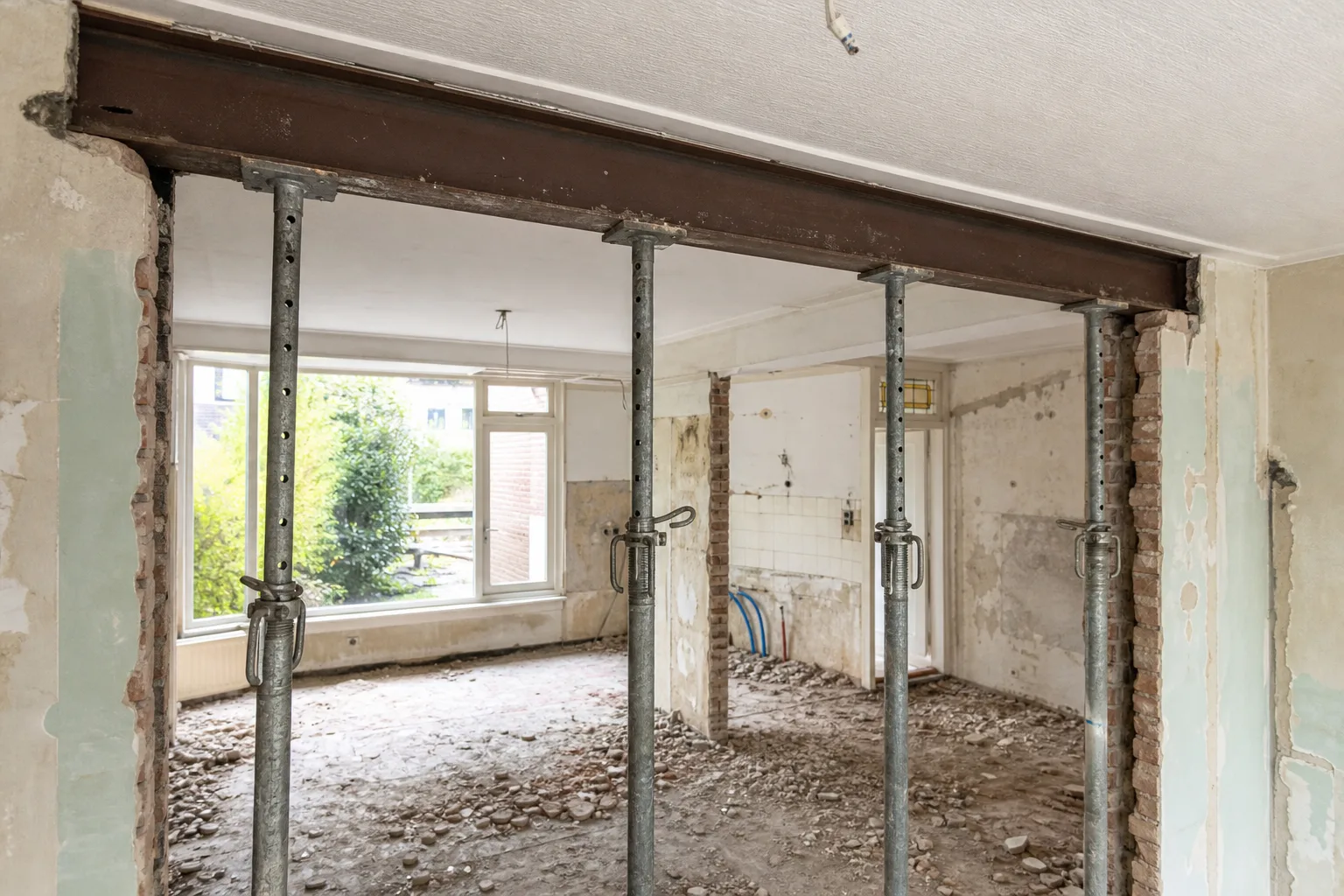
- During demolition involving asbestos or heavy fine dust, it is wise not to be at home.
- Ventilate well, especially after plastering, sanding and painting.
What is realistic and what is not
How hard it is depends on the scope. A new bathroom while you stay at home is manageable if there is a second toilet, or a shower at the neighbours or the gym. A full renovation with the whole house opened up at once is another matter. Then there are weeks without a kitchen, dust in every room and the power off regularly.
Talk about this honestly at the survey. We look with you at which parts of the house can stay liveable and how to divide the work so it bothers you as little as possible. Sometimes it is better to go away for a week or two during the heaviest work and stay at home the rest of the time.
| Type of work | Staying at home | Watch out for |
|---|---|---|
| Bathroom renovation | Usually manageable | Arrange a second toilet or shower |
| Plastering and painting room by room | Manageable | Ventilate, one room at a time |
| New floor in the living room | Doable | Furniture has to go elsewhere for a while |
| Replacing the kitchen | Doable with a temporary kitchen | Plan water and power |
| Full renovation | Hard | Consider staying away during strip-out and structural work |
Working zone by zone
The most important agreement is a division into zones. For example: upstairs first while you live downstairs, then downstairs while you sleep upstairs. Or the back of the house first, then the front. That way there is always a part that is clean and quiet.
A dust screen goes between the work zone and the living area. It is a wall of plastic sheet or board, often with a zip door. Doors to the work zone are sealed with tape, and our route through the house is covered with protective floor sheeting. The order of the work stays the same as in the order of works. It just runs zone by zone.
Tip from the trade: Pack everything you will not need for the coming weeks into boxes and store them in one room outside the work, or in a storage unit. The fewer things in the house, the less dust on your things.
Dust and air
Fine dust from demolition, grinding and sanding gets everywhere. With dust screens, sealed doors and an industrial vacuum, most of it stays inside the work zone. But it is never completely dust-free. Close ventilation grilles in the work zone where you can, so dust is not drawn through the ducts, and open them again once the dusty work is done.
Ventilating afterwards matters. Plaster and screed bring a lot of moisture into the house, and paint gives off fumes, even water-based paint. Milieu Centraal, the Dutch independent consumer information body on energy and environment, advises extra ventilation after jobs such as painting, sawing or sanding. Preferably do not sleep in a freshly painted room.
Kitchen and bathroom
If the kitchen is being replaced, set up a temporary kitchen in advance. A table with a kettle, a microwave or a plug-in hob and a fridge can be enough, in a spot with a socket and ideally a tap nearby. You can wash up in the bathroom, or use disposable plates for the worst week. Where needed we can make a temporary connection.
The same goes for the bathroom. If there is only one, keep the days without a shower as few as possible and arrange an alternative in advance. There must always be a working toilet. Read more about bathroom work on our bathroom renovation page.
- Temporary kitchen with kettle, microwave or plug-in hob, and a fridge.
- A socket on its own circuit for the temporary kitchen.
- A second toilet, or an arrangement with neighbours, family or the gym for showers.
- Bin bags and a fixed place for household waste during the work.
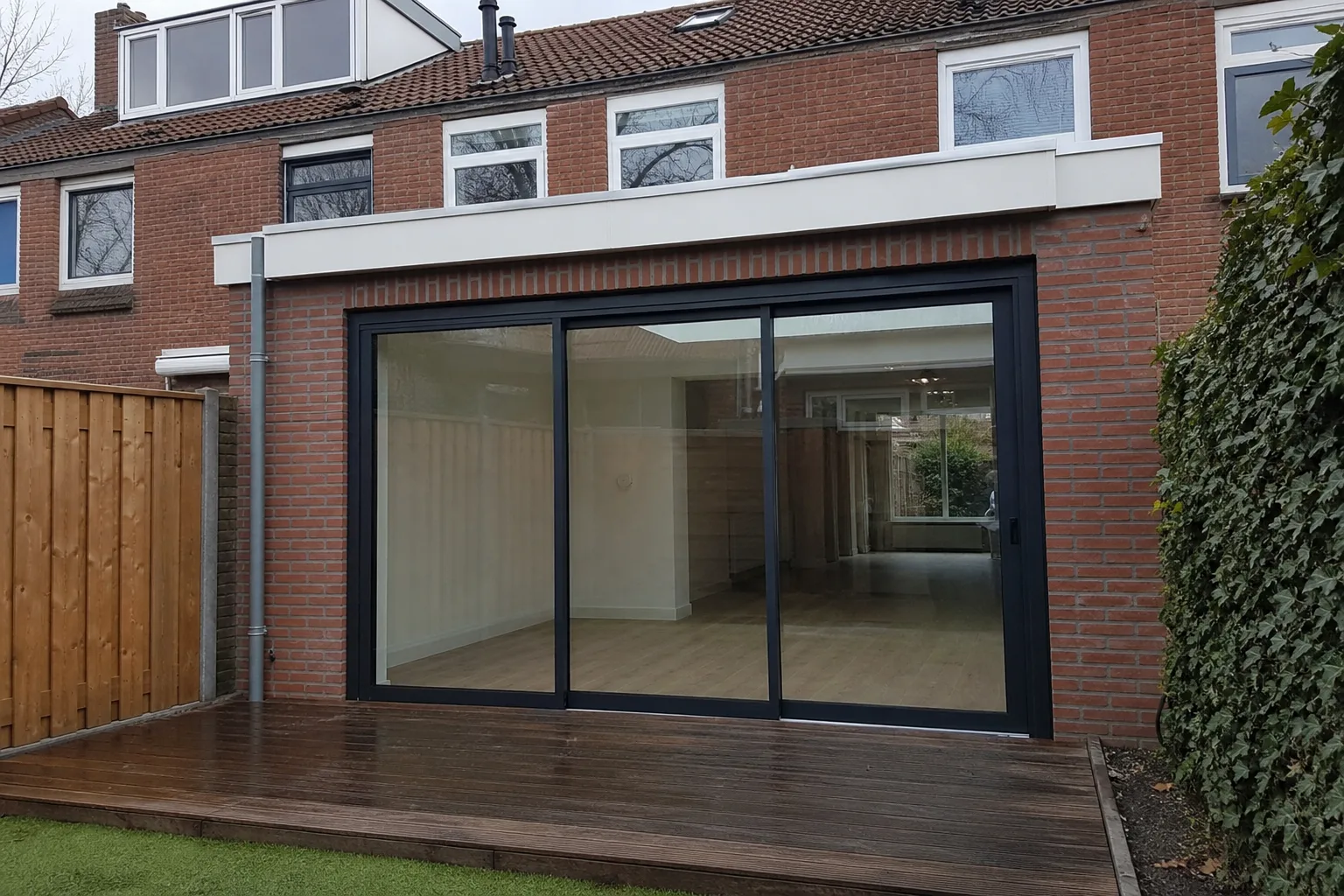
Met dit bedrijf werk ik niet voor het eerst samen. Ze hebben voor mij verschillende werkzaamheden uitgevoerd, zoals het vervangen en maken van deuren, het realiseren van een aanbouw en het uitvoeren van binnenrenovaties. De jongens zijn zeer verantwoordelijk, en vooral Stanislav geeft altijd goede adviezen.
Safety, children and pets
A building site in your home is not a playground. There are ladders, machines, open sockets and sometimes holes in the floor. Keep children and pets out of the work zone, even when we are not there. At the end of the day we tidy away tools and close off dangerous spots, but it is still a building site.
Demolition in a house built before 1994 may involve asbestos. According to IPLO, the government's information point, demolition work in such a house requires an asbestos survey. If asbestos has to be removed, a certified company does it, and you are better off not being at home on those days.
Water, power and heating
During plumbing and electrical work, the water or power is sometimes off for a few hours. We tell you in advance so it does not catch you out. If you work from home, plan to be elsewhere on those days, or make sure you have a spot with its own circuit and internet.
In winter, heating is an issue. If the boiler is replaced or radiators are moved, the house can be cold for a while. A site heater or electric heater helps, but watch the circuits in the meter cupboard. With good planning we can keep most heating work out of the coldest weeks.
Agreements that keep it bearable
Good agreements make the difference between a hard renovation and a bearable one. Agree working hours in advance, especially if you share a wall with neighbours. Agree where materials are stored, where the skip goes and which entrance we use. And set a regular moment to go through progress.
Let your neighbours know a renovation is coming, roughly how long it will take and when the noisy work will be. A note through the door prevents a lot of irritation. In a flat, the owners' association (VvE) may have rules on working hours and on using the lift or stairwell.
- Working hours and noisy days.
- Where materials are stored and where the skip goes.
- Which entrance and route the team uses.
- When water, power or heating will be off.
- A regular moment to discuss progress.
How Parus handles it
When Parus Construction works in a home you are still living in, we cover furniture and floors and keep the work area tidy. One client wrote in a Google review (in Dutch) that they were very satisfied, that the work was true craftsmanship and that everything was left neat and tidy.
Stas, the owner, is your single point of contact from survey to handover, and you hear in advance which work happens when. Read more about the phases in our guide to a full renovation, step by step and on our full renovation page. Get in touch for a free survey. We reply within 24 hours.
Frequently asked questions
Can I stay at home during a bathroom renovation?
Usually yes, if there is a second toilet or you arrange somewhere else to shower. We keep the days without a shower as few as possible.
How do I keep dust out of the rest of the house?
With a dust screen between the work zone and the living area, sealed doors, covered walkways and an industrial vacuum. It will not be completely dust-free.
Should I leave when asbestos is removed?
It is wise not to be at home on those days. A certified company removes the asbestos and tells you when the area is clear again.
Can I work from home during the renovation?
On quiet days, yes. On days with demolition, grinding or drilling the noise is considerable. We tell you in advance when those days are.
Does a renovation take longer if I stay at home?
Sometimes a little, because we work zone by zone and screen off more. We discuss it at the survey so you can choose.
Renovation and finishing work from Roelofarendsveen: plastering, bathrooms, microcement, extensions, insulation, floors, electrics and plumbing. One point of contact from quote to completion. Questions? Call or WhatsApp +31 6 87 61 60 78.
Sources
- Ventilating your home (Milieu Centraal, Dutch)
- Asbestos survey obligation (IPLO, Dutch)
- Choosing the right paint (Milieu Centraal, Dutch)
Rules change. Always check your own address with the Permit Check (Vergunningcheck) in the Omgevingsloket or with your municipality.