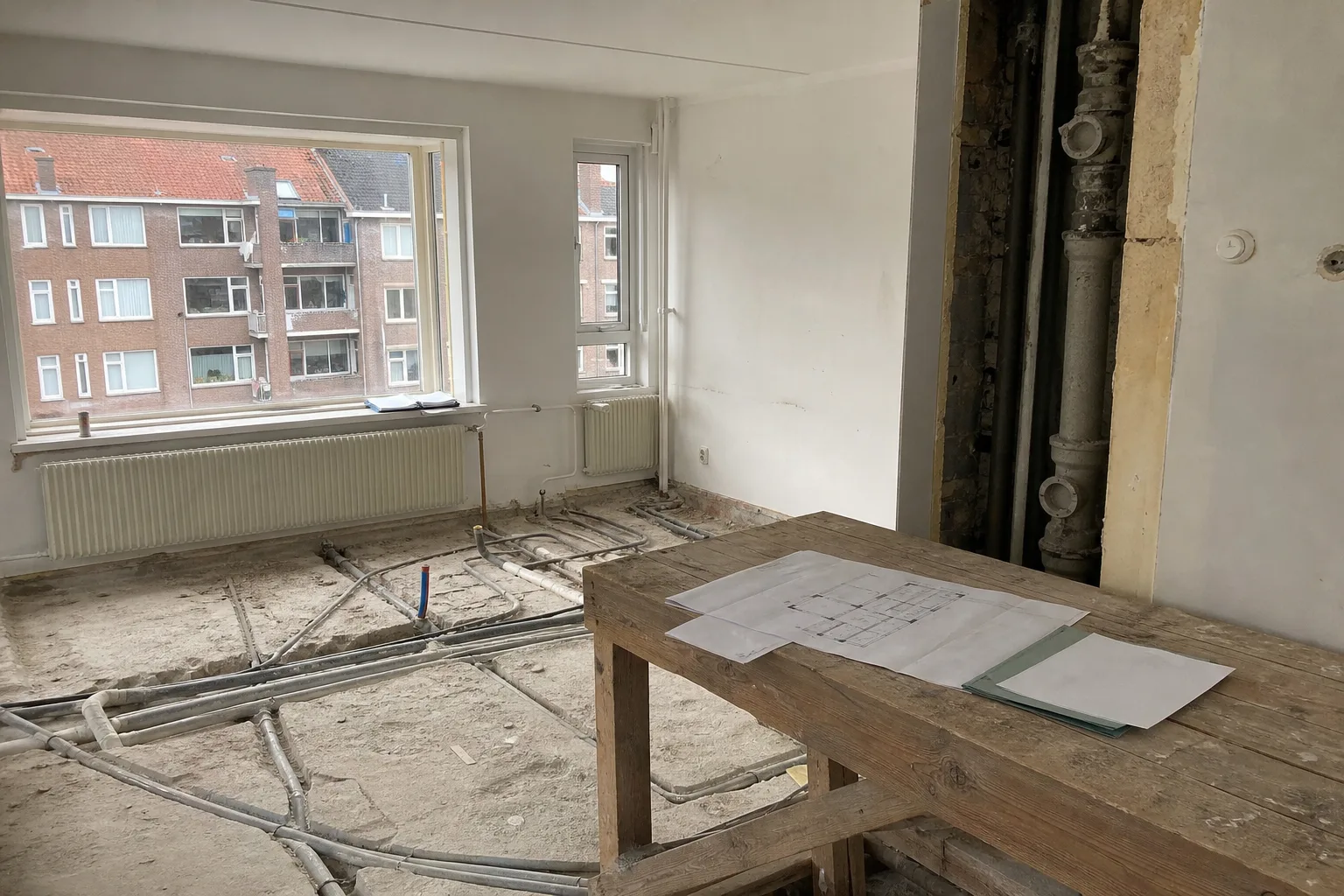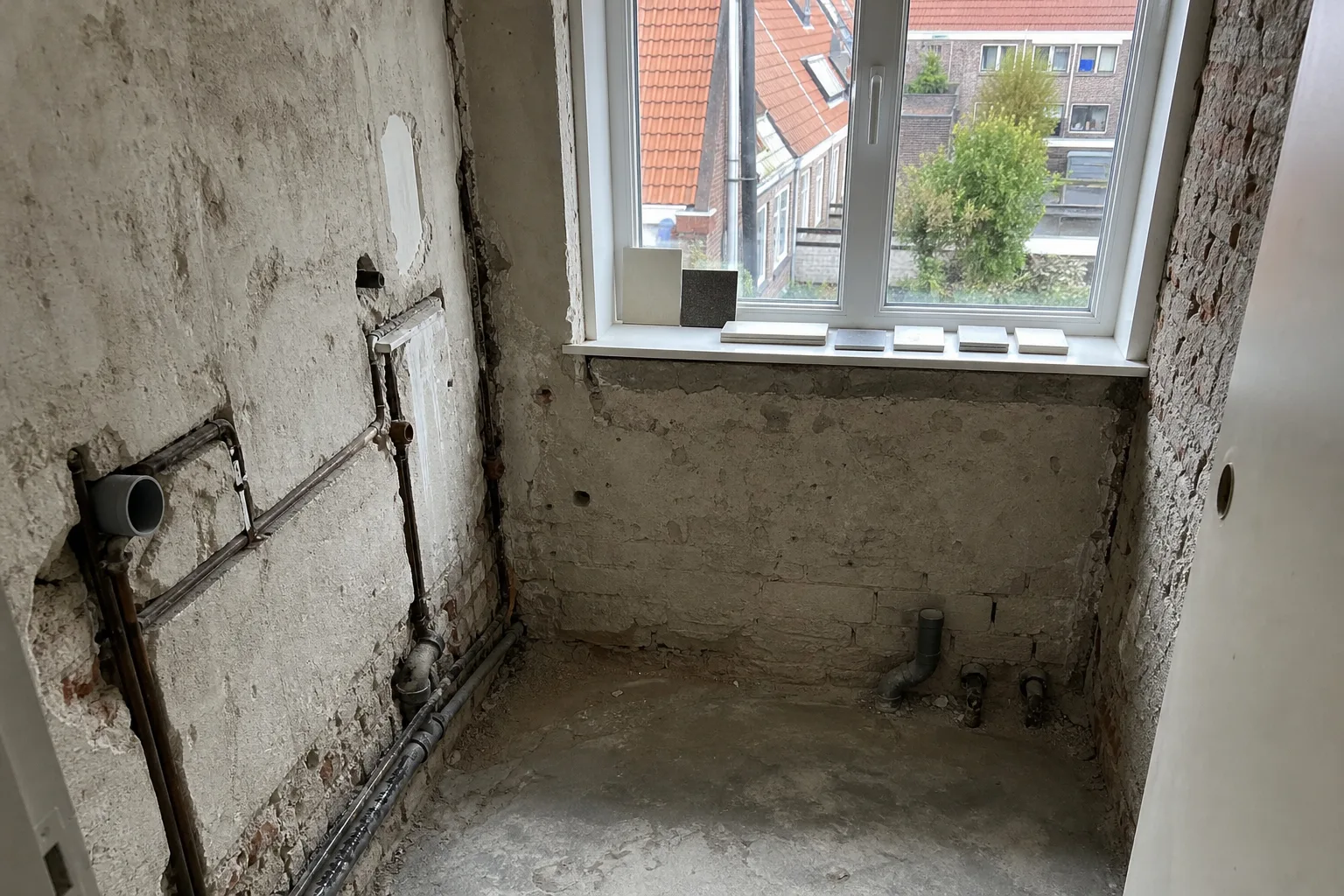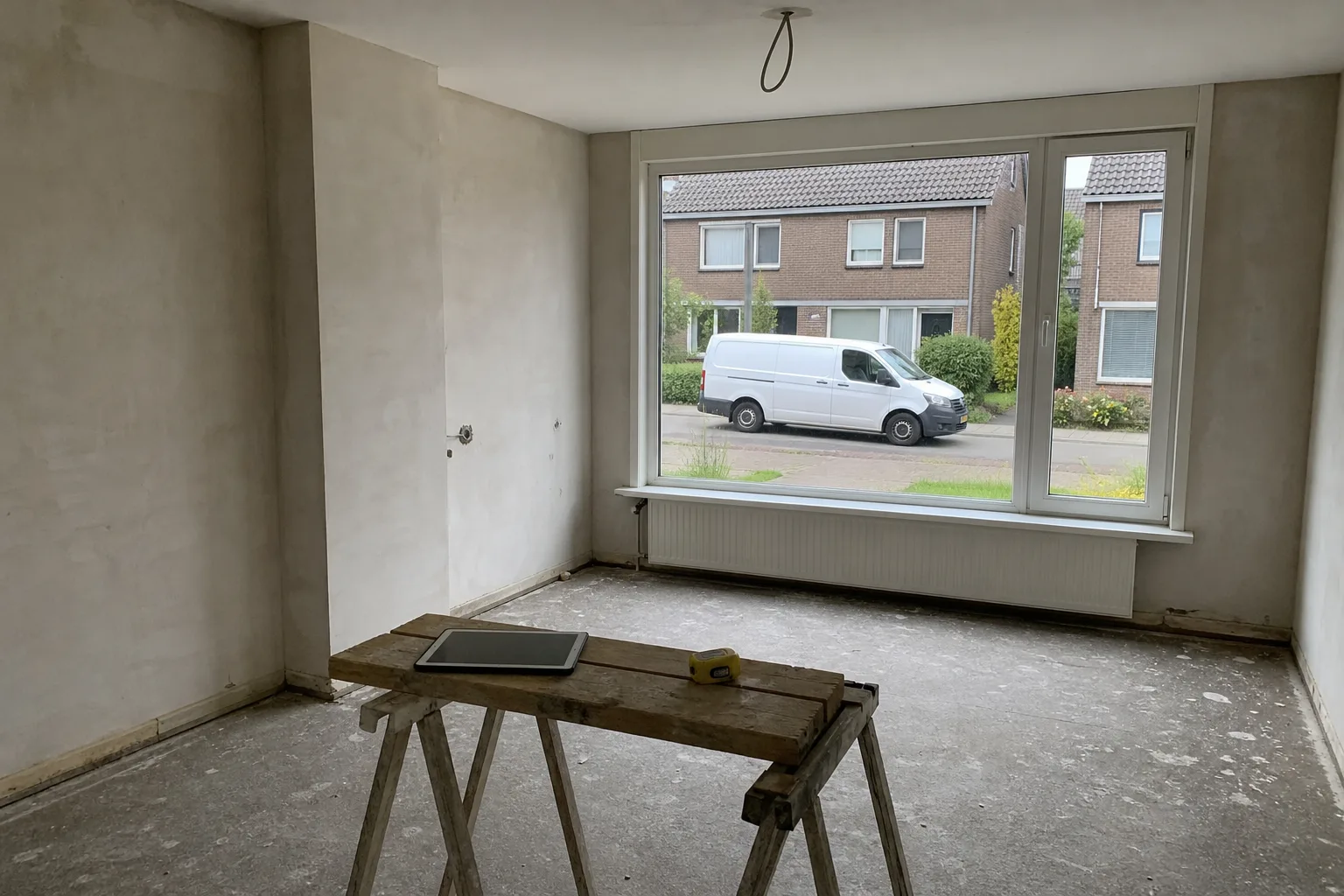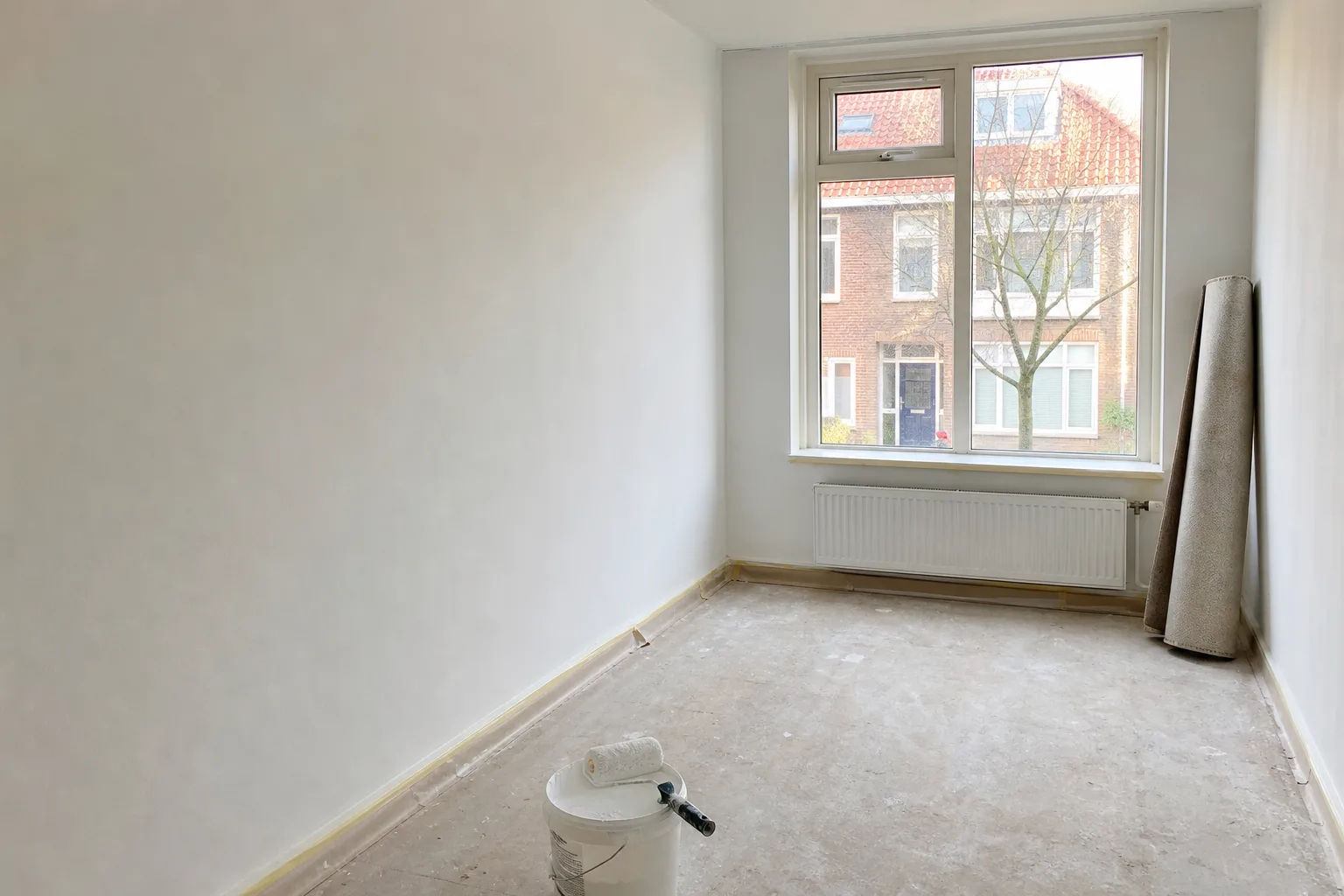
- Changes you can undo without much cost need no permission. Changes to the outside always do.
- A bathroom, kitchen, extension or dormer always needs the landlord's permission.
- The landlord may only refuse if the home becomes harder to let or loses value.
- Improvements you pay for yourself do not raise the home's points under the rent rating system.
- Agree in writing what happens when you leave: it stays, it is removed, or the landlord takes it over.
The basic rule: article 7:215 of the Civil Code
The rules for changes by a tenant are in article 7:215 of the Dutch Civil Code. In plain terms: you may not simply make the home different from how you received it. The Dutch government puts it like this: you may not change anything in your rented home, including the outside, unless the change can be undone without much cost.
That exception is wider than it sounds. Putting up shelves, fitting a curtain rail, painting a wall another colour or laying a floating click floor can all be reversed when you leave. Removing a tiled wall, replacing a kitchen or knocking through a wall cannot. If in doubt, ask first. A short email with photos and a description avoids arguments at the final inspection.
If you rent from a housing association (woningcorporatie), check whether it has its own scheme for tenant improvements, often called ZAV (zelf aangebrachte voorzieningen). Many associations have rules on which changes you may make, which standards they must meet and whether you get compensation or must restore the original state when you leave. With a private landlord, similar rules are sometimes in the general terms attached to the tenancy agreement. Read those documents before making a plan, so your request fits what the landlord expects.
When you do need permission
A real renovation always needs the landlord's permission. The government gives a new bathroom, a new kitchen, an extension and a dormer as examples. Work on pipes, the electrics in the meter cupboard or the facade also falls under this. Work on the outside often also raises a permit question at the gemeente (municipality).
Ask for permission in writing and describe exactly what you want. A drawing, a choice of materials and the name of the company doing the work help the landlord decide quickly. According to the government, the landlord must respond within eight weeks.
If you rent an apartment, the landlord is often a member of a VvE (owners' association) too. For work on shared parts, such as the facade, the soil stack or a load-bearing wall, the landlord then needs the VvE's consent in turn. That takes extra time. Rules in the VvE regulations, for example on hard floors and impact noise, also apply to you as the occupant. So ask the landlord about such rules before you have a floor or bathroom designed.
- No permission needed: painting, shelves and rails, filling holes, loose floor coverings.
- Permission needed: bathroom, toilet, kitchen, fixed flooring, walls, electrics and pipes.
- Always permission: anything on the outside, such as window frames, facade and dormer.
When the landlord may refuse
A landlord cannot reject your request without reason. According to the government, the landlord may only refuse if the change makes the home harder to let or lowers its value. A tidy bathroom with standard materials rarely makes a home harder to let. A brightly coloured tiled wall, or an open kitchen that costs a bedroom, might.
The landlord may set conditions. For example that a professional company does the work, that certain materials are used, or that you restore the original state when you leave. If the landlord says no, you can go to the kantonrechter (sub-district court). The court looks at whether the change is reasonable and improves your living comfort.
Tip from the trade: Ask for permission before work starts. Otherwise a court may order you to reverse the change, and you end up paying twice.
We zijn heel erg tevreden. Hele aardige man en echt vakwerk afgeleverd. Alles keurig netjes achtergelaten!
What the Huurcommissie does and does not do
Many tenants assume the Huurcommissie, the Dutch rent tribunal, decides on renovations. It does not. A dispute about permission for your own change goes to the sub-district court. The Huurcommissie deals with rent levels, service charges, maintenance defects and rent increases after improvements made by the landlord.
It still matters for your own renovation. The Huurcommissie's policy book on the rent rating system (woningwaarderingsstelsel) says that improvements a tenant makes voluntarily and at their own expense earn no points, unless the landlord paid compensation for them. So your new bathroom does not raise the maximum rent. Keep invoices and photos so you can show later what you paid for yourself.
When the landlord renovates
Sometimes the plan comes from the other side. According to the government, a landlord may not renovate without your consent. In buildings with ten or more homes, a reasonable proposal counts as accepted when at least 70 percent of tenants agree. Normal maintenance, such as painting or new window frames, needs no consent.
A renovation is usually followed by a higher rent. In social housing you can object to that increase at the Huurcommissie. If you have to move out temporarily, you may be entitled to a relocation allowance. If you are planning your own work and hear the landlord has plans, coordinate. There is little point renewing a bathroom that will be stripped out a year later in a block renovation.
Agreements on leaving and costs
For expats on a fixed-term contract this is the key question: what happens when you leave? There are three options. The change stays without compensation. The landlord takes it over for an agreed sum. Or you restore the original state. Write the choice into the permission. Also agree who maintains what you have installed.
Sometimes the landlord pays part of the cost, because the next tenant benefits too. Raise this when you make the request. Adaptations for a disability have separate rules, which the government explains separately, also in English.
- What exactly will be done, with a drawing or description.
- Who does the work and with which materials.
- Who pays and whether the landlord contributes.
- What happens when you leave.
- Who is responsible for maintenance.
How Parus helps in a rented home
In a rented home we only start once the permission is in writing. We can visit earlier for a site survey, though. You then get a quote with a clear description of the work, which you can attach to your request to the landlord. That makes it easier for the landlord to say yes.
For work that stays within the rules, such as painting, sauswerk (a thin paint-like coat on plaster) or repairing plasterwork, you can also come to us. For a bathroom or floor, also read renovating as an expat in the Netherlands. Want to know what is possible? Get in touch and you will hear from us within 24 hours.
Frequently asked questions
Can I paint the walls as a tenant?
Yes, painting usually counts as a change you can undo without much cost. Check your tenancy agreement for any rules on colours when you leave.
How long does the landlord have to respond?
According to the Dutch government, the landlord must respond to your request within eight weeks.
Will my rent go up if I pay for a new bathroom?
Under Huurcommissie policy, improvements you make voluntarily and pay for yourself do not count towards the points, unless the landlord compensated you.
What if I have already renovated without permission?
The landlord can then demand that you undo the change. Talk to them quickly and still ask for written permission. For free legal advice, contact the Juridisch Loket (legal aid desk).
Can the landlord require a professional company?
Yes, the landlord may attach conditions to the permission, such as the choice of company or materials.
Renovation and finishing work from Roelofarendsveen: plastering, bathrooms, microcement, extensions, insulation, floors, electrics and plumbing. One point of contact from quote to completion. Questions? Call or WhatsApp +31 6 87 61 60 78.
Sources
- May I renovate my rented home? (Rijksoverheid, in Dutch)
- Dutch Civil Code Book 7, article 215 (wetten.overheid.nl)
- Involving the Rent Tribunal (government.nl)
- What are my rights when my rented home is renovated? (Rijksoverheid, in Dutch)
Rules change. Always check your own address with the Permit Check (Vergunningcheck) in the Omgevingsloket or with your municipality.